“Parasocial” may be Cambridge Dictionary’s Word of the Year, but Greg Simpson, founder of Press For Attention PR, explains why the shortlisted term “slop” is much more apt as the new root of businesses’ content-creating fears.
My immediate reaction to Cambridge’s choice of “parasocial” as 2025’s Word of the Year? Boring. Celebrity-obsessed. Get a grip.
While Cambridge’s boffins were theorizing about one-sided relationships with media figures, business owners were drowning in something far more urgent: slop.
The irony? “Slop” was on Cambridge’s shortlist. They knew about it. They chose the academic term anyway.
What Cambridge missed at the coalface
Here’s what I hear from clients every single day: “We’re worried about sounding like everyone else.” Not “we’re worried about being seen.” Not “we lack ideas.”
They’re terrified of being boring. Indistinguishable. Generic. In a word: slop.
They show me screenshots of people on social media mocking bland AI content. They watch the criticism. Then they freeze. Do nothing. Because the fear of being mocked for creating slop is paralyzing them completely.
This is a new kind of content anxiety. Cambridge’s chief editor called “parasocial” a specialist academic term gone mainstream. But while they were celebrating linguistic evolution in the ivory tower, AI-generated content on the web exploded from 185 pages in December 2022 to over 15,000 in a sample of one million pages by 2024.
The floodgates of slop are open wide. The deluge is pouring forth.
The problem with looking clever
Cambridge chose “parasocial” because it makes them look clever. Big words. Sociological theory. Academic credibility. It’s exactly what I warn my clients against: jargon that means nothing to the audience.
If a client came to me wanting to sound as highbrow as Cambridge just did, I’d tell them to hire an academic or get ChatGPT to mirror it.
Zzzzz.
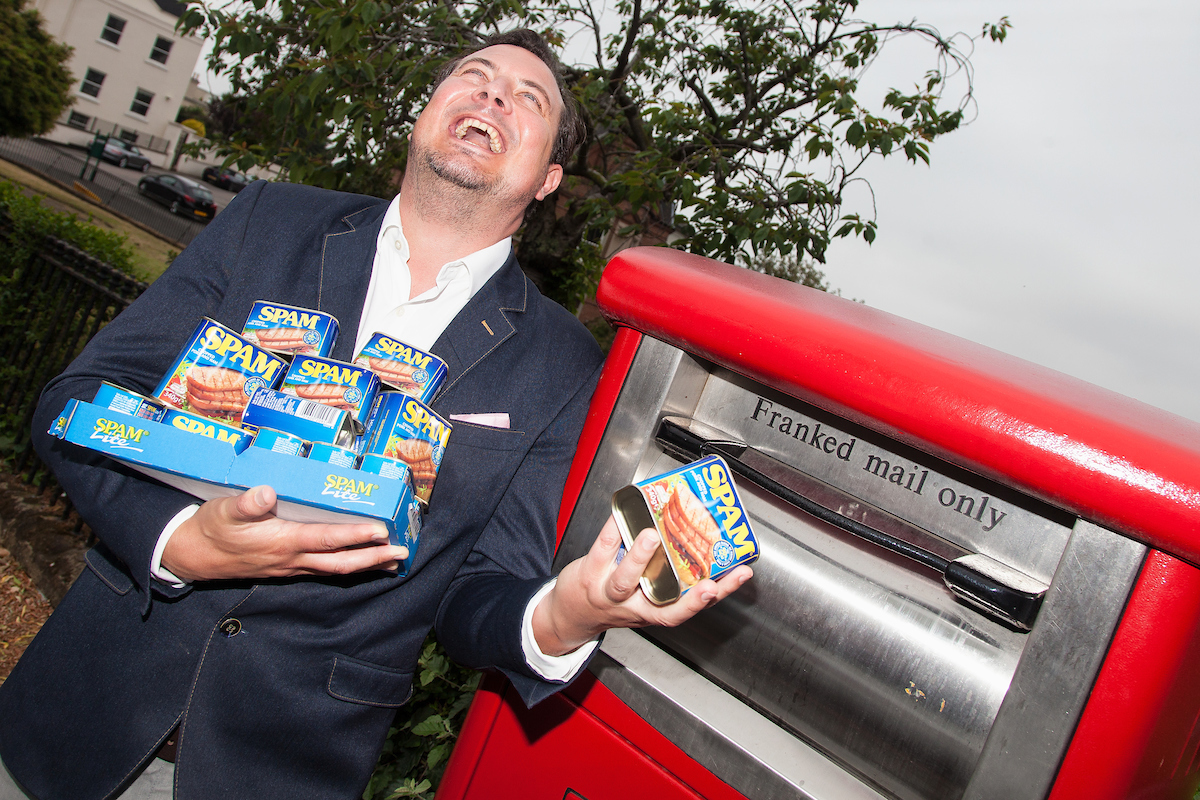
Meanwhile, tech observer Simon Willison noted that “slop” is following spam’s path straight into the dictionary as the term for unwanted AI-generated content. The word has gained serious traction because it captures something real.
Business owners don’t care about tittle tattle analysing celebrity relationships. They care about cutting through noise in a market flooded with constant bombardment of bang average but prolific content.
The question that actually matters
When business owners are drowning in this deluge, what do they actually need? Not academic analysis. Not sociological theory about parasocial dynamics. They need someone to ask them: “How do we actually sound? What is our brand? What resonates with our target market?” More fundamentally: “Is this actually us?”
That question gets lost in the AI rush. Business owners forget to ask it because they’re too busy worrying about keeping up, about using the tools everyone else is using, about not falling behind.
Cambridge’s choice of “parasocial” over “slop” perfectly captures the gap between linguistic theory and business identity. Between what sounds impressive in academic circles and what keeps entrepreneurs up at night.
At the coalface of business and marketing in 2025, we’re not grappling with clever new concepts about our relationships with celebrities. We’re trying to figure out if the content we’re creating still sounds like us. Or if we’ve become just another voice in the slop.
Cambridge had the chance to recognize that struggle. They chose the highbrow option instead.
Get a grip, indeed.
A former business journalist, Greg Simpson is the author of The Small Business Guide to PR and has been recognised as one of the UK’s top 5 PR consultants, having set up Press For Attention PR in 2008.
He has worked for FTSE 100 firms, charities and start-ups and conducted press conferences with Sir Richard Branson and James Caan. His background ensures a deep understanding of every facet of a successful PR campaign – from a journalist’s, client’s, and consultant’s perspective.
See this column in the December issue of East Midlands Business Link Magazine, here.