The Nottinghamshire Golf and Country Club acquired by UK’s largest country club operator

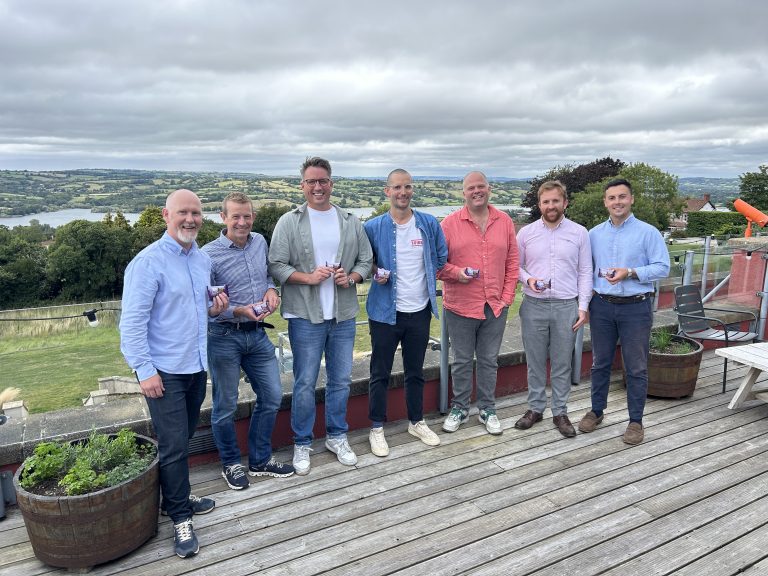
The Nottinghamshire Golf & Country Club (The Nottinghamshire) has been acquired by the UK’s largest country club operator, The Club Company. Set in 340 acres, The Nottinghamshire is a 36 hole golf club which hosts extensive facilities including a bistro experience, wedding venue and a 30-bedroom boutique hotel. The Club Company collection now totals 18 clubs across England. Alan Hardy acquired the club in 2010 as Cotgrave Place and has since transformed the club venue from a traditional but struggling golf club into a thriving hospitality complex. During that time, he has focused on investing in the courses, boutique hotel, conferencing and wedding experiences, to the extent that golf makes up only half of the revenue of the club. Hardy said: “It is with mixed emotions that I can confirm that I’ve come to the end of my 14 year journey with The Nottinghamshire. It is a journey that I am incredibly proud of, having met, worked and played with a wonderful number of people along the way. “I am proud that we’ve created something special in that time and now have a fantastic team of over 100 people across the venues, in the clubhouse, the back office and out on the course, all of whom I will miss dearly.” Richard Calvert, Chief Executive Officer of The Club Company, said: “We are delighted to welcome The Nottinghamshire Golf and Country Club into The Club Company portfolio. Over the last few months, I have personally experienced the dedication and professionalism of the team at The Nottinghamshire. “This stunning club has an outstanding reputation and has been transformed under the ownership of Alan. We are committed to building on this legacy and will continue to invest in the club and its facilities for the benefit of members and visitors alike.” Alan concluded: “This has been a truly amazing journey during which we have transformed this club into something truly spectacular.  ⁠ “Being in the leisure sector, where people choose to spend their spare time and money is uplifting and inspiring. We have taken this place from an incredibly difficult position, creating a wonderfully bright future as we have done that. “Leaving a legacy here has been my driving force and I have loved every single moment. Thank you to everyone who has been part of this story.”

West Northamptonshire Council to pursue South Midlands devolution bid

West Northamptonshire Council (WNC) has agreed to pursue proposals to partner with other authorities in the South Midlands in a bid to join the Government’s ‘priority programme’ for devolution. Councillors met last night (Thursday 9 January) and decided the Council should submit an expression of interest to ministers today for a new strategic mayoral authority covering West Northamptonshire, Bedford, Central Bedfordshire, Luton, Milton Keynes and North Northamptonshire. The proposal covering the six authority areas meets all the requirements, set out by the Government in the Devolution White Paper published last month, for the creation a strategic mayoral authority. This included a population size and a coherent economic footprint. The proposal also builds on the strong history the councils have working as SEMLEP and from which the new South Midlands Authorities (SMA) group was formed to drive economic growth across the region and to lead the new DWP Supported Employment programme for the South Midlands. WNC is keen to seize the opportunity to leverage the hundreds of millions of pounds of further investment that is now promised to devolved areas. Devolution is used to describe the transfer of powers from national to local government and in places with a regionally-elected mayor, this also means the transfer of significant investment to drive new infrastructure, jobs and growth. WNC will today submit an Expression of Interest (EOI) supporting the creation of a new South Midlands Strategic Authority and has invited the other five councils to join them, following on from recent discussions and interest from the Government in the South Midlands being part of the Devolution Priority Programme. Any Council is able to submit an EOI and proposal for strategic mayoral authority area, although regions that demonstrate a strong and united approach to devolution are expected to be prioritised by the Government. In September, the six authorities submitted an initial Expression of Interest to the Government for a combined authority, although at that stage it did not assume a mayor would be put in place. The Devolution white paper made clear however that it expected all areas to be covered by a mayor and to be part of the Devolution Priority Programme WNC now have to confirm acceptance of this as well as interest on the fast track process. WNC is already a unitary authority created in 2021, replacing and simplifying the two-tier system of county, district and borough councils to deliver all their services to residents in the West Northants area. WNC is not currently part of a combined authority or strategic mayoral authority, which are formed by two or more neighbouring councils and typically cover around 1.5 million residents. Northamptonshire’s population of approximately 870,000 is more than half of the number of residents required for a new combined authority according to the Government’s criteria. Leader of West Northamptonshire Council Cllr Adam Brown said: “It is clear that a strategic mayoral authority covering the six South Midlands councils is not only the one option that meets all the Government’s criteria, but also serves the best interests of all residents across our region. “The six South Midlands authorities already have a strong history of working together to drive economic growth and building on this will only bring more benefits to all of our communities through a devolution deal that could attract millions of pounds of additional investment. “This is a once in a generation opportunity that we are ready to seize, regardless of party politics, for our residents and, given the clear advice recently received from Government representatives about its coherence and suitability, we remain committed to pursuing this option. “We hope our partner councils will join us so that we don’t miss out on this opportunity for all our communities.” A strategic mayoral authority is led by a regionally-elected mayor, which is entirely different to civic and ceremonial mayors at town councils and has enhanced powers and funding devolved from national government to make collective decisions on issues such as economic growth, transport, housing, skills and employment. A new strategic mayoral authority including the West Northamptonshire area would not replace the existing unitary council but would provide it with a stronger say and more significant role in regional investment and decision making. Following an extraordinary meeting of Full Council last night – North Northamptonshire Council will also submit an expression of interest to pursue proposals to work with other South Midlands authorities on a devolution bid.

Derbyshire biotech company makes key appointment

Derbyshire biotech company N4 Pharma has appointed Dr Alastair Smith as an independent Non-Executive Director.

Alastair was the founder and former Chief Executive Officer of Avacta Group, an AIM-listed biotech company established as a spin-out from Leeds University in 2005 and listed on the London Stock Exchange AIM market in 2006.

Over his tenure, Avacta grew into one of the leading AIM biotech companies comprising two divisions: a clinical stage oncology drug company and a diagnostics business.

Alastair joins the company’s remuneration and audit committees.

Nigel Theobald, Chief Executive Officer, N4 Pharma, said: “We are delighted to welcome Alastair to the Board of N4 Pharma. His experience in having founded and grown a start-up to become one of the UK’s leading life science businesses will be invaluable in supporting the commercialisation of Nuvec® and advancing our pipeline of innovative therapies.”

The news comes as David Templeton retires as a Director of the company.

Nigel added: “On behalf of my fellow Directors and everyone involved with N4 Pharma, I would like to thank David for all he has contributed over his years with the Company. Whilst he will be sorely missed, his work on dual loading of Nuvec® and its potential for oral delivery has left us with a true point of difference and a clear path towards Phase 1 clinical trials. We wish him all the best for the future.”

Alastair Smith said: “I am delighted to be joining the Board of N4 Pharma. I see strong parallels between N4 Pharma and Avacta; both building a pipeline of therapies that are strongly differentiated by a proprietary platform technology and offer additional opportunities for early commercialisation through licensing.”

Grantham day nursery sold to care home operator

0
Specialist business property adviser, Christie & Co, has sold Ancaster Village Nursery & Forest School in Grantham, Lincolnshire. Ancaster Village Nursery & Forest School is a well-established day nursery located in Ancaster, Grantham, Lincolnshire. Rated ‘Good’ by Ofsted, the nursery provides care for up to 52 children at a time and operates from a purpose-built rural property. The sale also included the successful 46 place ‘Out of School’ club which the company runs from the local village primary school. The nursery has been owned and managed by Linda Lukies since 2007. After many successful years in the childcare sector, Linda made the decision to retire, prompting the sale of the business. Following a confidential sales process with Jassi Sunner at Christie & Co, it has been sold to new market entrant, Kiddi Corporation Ltd, which is owned by Rupinder Sandhu, a former care home operator expanding into the childcare sector. Linda Lukies, former owner of Ancaster Village Nursery, said: “I would like to wish Rupinder and Ancaster Village Nursery every success for the future. It has been an absolute pleasure running this wonderful setting with such a passionate staff team and I know that, with Rupinder’s vision and experience, I have left everything in the safest hands.” Rupinder Sandhu, the new owner of Ancaster Village Nursery, said: “I am extremely committed to delivering high-quality care in the community, drawing on my background in residential care. “Working with children has always been a passion of mine and, as a parent of young children, I understand first-hand the challenges faced by parents. This drives my dedication to ensuring that childcare settings are nurturing, supportive, and positively promote children’s development.” Jassi Sunner, Associate Director – Childcare & Education at Christie & Co, said: “With its excellent location, Ancaster Village Nursery & Forest School has built a fantastic reputation over the years under Linda’s leadership. “The rural setting is logistically well placed for parents and has become a key choice for local families seeking high-quality childcare in a ‘home from home’ environment. After a competitive marketing process, we secured an offer from Rupinder, an experienced care home operator, looking for a new challenge in childcare. “This transition is a perfect fit, and I have no doubt that Rupinder will build on the strong foundations Linda has established.” Ancaster Village Nursery & Forest School was sold for an undisclosed price.

Ghosting is not just a dating phenomenon: by James Pinchbeck, partner at Streets Chartered Accountants

0
James Pinchbeck, partner at Streets Chartered Accountants, delves into the problem of ghosting in business. The term ghosting is widely known or referred to in the world of dating, when a person suddenly or unexpectedly experiences an end to all contact or interaction with a person – a date or partner. Any attempts to gain a response or engage in communication is fruitless. However, the world of dating is not the only place it is experienced. It seems that ghosting is increasingly prevalent in the world of business. Its escalation, perhaps in part, is a legacy of lockdown when we worked remotely and were less connected to people, with face-to-face interaction switched to more faceless and less personal digital interactions. Hybrid and remote working, which has been more widely adopted post pandemic, may also be a contributor. So too may be the wider use and adoption of digital communication and working practices. Everyone also seems to be busier than ever, and juggling workload and work pressure has meant people don’t do or can’t do things the way they might have in the past. It is perhaps a little cynical to think that standards, behaviours and ways of working are just not what they used to be. How then might you experience ghosting in the workplace? Interviews – you invite someone to attend for an interview, they accept but fail to turn up and don’t tell you they are not attending or make any contact. Hiring – you make a job offer and give a start date, but the person doesn’t turn up or tell you they are not starting. Quitting – someone decides they no longer want to stay in your employment and without going through due process leaves without notice. Leavers – an employee is let go or leaves by agreement and prior to their departure they are given the cold shoulder or experience a sense they are not a part of the team or organisation. Prospects – you have pitched or quoted for some business. The process seems to be going swimmingly then it ends abruptly, and you hear nothing and get no response. Networking – you meet someone at a conference, networking event, or connected with them on LinkedIn and seem to really hit it off, agree to get in touch but never hear from them again or get a response. Meetings – how many of us have sat in meetings and experienced the person more interested or engaged in their mobile phone? When it comes to online meetings there seems to be a host of people that neither have their camera or sound on – are they ‘in the room’? Emails, calls and texts – you try to communicate with someone but find you get no response from a work colleague, someone you line manage or external contact. Ghosting behaviour certainly adversely impacts the performance and productivity of an organisation, as well as, if widely experienced or prevalent, has a negative effect on culture, morale, recruitment and behaviours. Perhaps it might be understandable, if not acceptable, in difficult situations. It does seem to be increasingly rife in circumstances where individuals prefer or just don’t want to deal with things, either because it is outside their comfort zone, it makes them anxious or more anxious, they avoid or can’t deal with conflict, might get a kick back, they are just too busy or even perhaps because they don’t care. It may even be learnt behaviour from more senior colleagues or peers. Managing or considering how your business or organisation might be affected by ghosting surely is a matter which cannot be ghosted. Whilst individuals may have experienced some work-related ghosting few have probably considered its more widespread impact.   See this column in the January issue of East Midlands Business Link Magazine here.

2025 Business Predictions: Daniel McNerney, Managing Director, See Limited

It’s that time of year, when Business Link Magazine invites the region’s business leaders to offer up their predictions for the year ahead.  It has become something of a tradition, given that we’ve been doing this now for over 30 years. Here we speak to Daniel McNerney, Managing Director at See Limited. The built environment industry has faced significant challenges with skills shortages in 2024, and this will continue in 2025. Action will need to be taken to reverse this trend in order to avoid impact on the completion time and cost of a project. Apprenticeships will also have a part to play in combatting this. However, there is a need to make information on apprenticeships accessible for businesses, with greater support offered to help them start this journey. Early engagement with young people at schools and colleges will be key in helping to promote the industry and demonstrate the variety of opportunities and roles available. When it comes to trends, bringing the outside in and connecting buildings and its occupants with nature – otherwise known as biophilic design – has been a design staple over the last few years. This will continue to evolve throughout 2025 and we predict that more curved furniture and walls will feature, creating a sense of warmth in a space rather than harsh, rigid lines. Architects and interior designers working in the UK’s built environment industry will also need to commit to incorporating more sustainable practices in their work and creating spaces that mitigate the impacts of climate change, while also improving human wellbeing. With so many certifications out there, it will be important for them to identify relevant and accredited documentation routes to pursue in order to meet industry standards. Ideally, they should conduct a lifecycle analysis to form an Environmental Product Declaration (EPD). By having environmental data available about the lifecycle of materials, key decision makers will be best equipped to make informed decisions about the materials they select so that they can track their own carbon footprint.

Mortgage and Finance Arena finds new home for 2025

0
An independent Derby mortgage and financial advice firm, celebrating 10 years of service, has moved into new Pride Park premises ready for one of its busiest times of the year. Suzanne Bradshaw, managing director of Mortgage and Finance Arena, said advice on debt consolidation and unsecured business loans is in demand during January when the post-Christmas credit card bills land and self-assessment tax bills are due. Suzanne said: “We offer advice on all mortgage and financial situations apart from pensions and savings and every year we find January is the time when people focus on their finances and getting them in order, either following Christmas or ahead of the tax bill.” Suzanne, who set up the company in 2015, has moved it into new premises in the Melbourne Business Court in Pride Park, ready for 2025 to be a year of growth. “We’ve built this company on repeat business but now we are expanding and getting more new clients,” said Suzanne, who has had a lifelong passion for property and gave her first advice on a mortgage aged 18. “When this office became available and I had a break in my agreement on the previous premises, it just felt right to take the leap and move here into such a prominent place, right across from Pride Park Stadium.” And while the business is settling into its new home, Suzanne is expecting Spring to be the time clients will seek advice on properties. The rise in mortgage rates in 2022 has slowed the market for people moving property but there is still strong demand for advice from first time buyers, those who are self-employed or with more complex financial circumstances looking to renew their deals, and for equity release. “I think people are now getting used to the mortgage rates and so we may see that market pick up soon,” said Suzanne. “But there is still a strong demand from first time buyers and lenders out there with offers to help people get on the property ladder…the ‘bank of mum and dad’ is also becoming more popular.” And parents are using equity in their own properties to help their children, with an increase in demand for advice on equity release so they can free up money to raise the deposits their adult children need to fly the nest. Suzanne said: “People’s finances are now more complex, and I think that is why they like to have personal, tailored advice from us. We know the lenders and the offers out there which are right for a person’s individual needs and circumstances. We are looking forward to supporting more people with their financial decisions from our own new home in 2025!”

Nottinghamshire-based soft home furnishings company set to enter administration

0
Nottinghamshire-based Home Curtains UK Limited, an importer and retailer of soft home furnishings, is shortly to enter administration following a challenging period of rising costs and declining consumer demand, with Dean Nelson of PKF Smith Cooper to be appointed as administrator. Founded in 1986, Home Curtains offers a wide range of curtains, accessories, lace, and custom-made voiles to customers across the UK and Europe. The business has been unable to withstand the pressures of the current economic environment. The increases in costs, including those related to raw materials, shipping, and energy, coupled with inflationary pressures and reduced consumer spending, has led to the business struggling to maintain profitability. A Director of Home Curtains UK Limited issued the following statement: “It is with great regret that we announce that Home Curtains UK Limited is to shortly enter Administration. “This decision has been incredibly difficult and not taken lightly, and like many businesses in the retail and home furnishings sector, we have been deeply affected by the rising costs of trade and reduction in consumer discretionary spending. “We want to express our gratitude to our incredibly long serving employees, for their hard work and dedication, and our loyal customers. We remain optimistic that a solution may be found to preserve elements of the business and its legacy.” Dean Nelson, Head of Business Recovery and Restructuring and Partner at PKF Smith Cooper, said: “Home Curtains UK has faced significant challenges over recent months, including rising costs and an unfavourable economic environment. “We are working closely with the company’s management team to explore all available options to secure the best possible outcome for all stakeholders. “It is my intention to trade the business over the next couple of months, undertaking substantial price reductions, to maximise sales over our substantial quality stock ranges, and I would urge the trade and public to take advantage at this challenging time for the company.”

Nottingham software company named top for AI

Nottingham-headquartered software company, Ideagen, has been named a ‘Leader’ in the Verdantix Green Quadrant: EHS Software 2025 scoring highly in both AI integration, document management and quality management. Since the explosion of AI in 2022, the market has undergone a pivotal shift, as AI features start to redefine the value users can extract from EHS software. Ideagen’s innovative AI integration earned a top score of 2.5/3.0 for its ability to enhance efficiency and support decision-making. From risk classification to action plan creation, Ideagen’s AI-powered features were recognized for the way they support users with tools that streamline processes and deliver actionable insights. Ideagen also posted the highest scores of any vendor for document (2.5/3.0) and quality management (2.4/3.0) and was described as having made ‘monumental strides’ since the 2023 report. Speaking about the news, Ideagen CEO, Ben Dorks, said: “The Green Quadrant is widely regarded as one of the most influential comparisons of EHS platforms in existence, so we are incredibly proud of the momentum we have made in strengthening our position as a ‘leader’. “Our commitment to innovation is at the core of everything we do. Our investment in AI and focus on delivering a dynamic, user-friendly platform ensures we continue to meet the evolving needs of our customers, and it’s great to see that reflected in this ‘leader’ status.”

Businesses’ profit growth to stall following rising employment costs announced in Autumn Budget

0
New research from business and financial adviser Grant Thornton UK LLP finds that, following the increases announced in the Autumn Budget to employer National Insurance Contributions and National Minimum Wage, UK businesses’ profit growth expectations remain low and many are looking to review employee costs across the board including implementing hiring freezes. The firm’s latest Business Outlook Tracker, which surveyed 800 UK businesses in December 2024, finds that the increasing employment costs announced in the Budget are one of the biggest challenges for businesses heading into 2025, along with attracting and retaining top talent. Over half (52%) of the businesses surveyed anticipate that they will have to reduce hiring or cut jobs and offer reduced or no pay increases and bonuses to their employees, due to the increasing cost burden. Two thirds (66%) also plan to review their employee benefits offering, with 16% expecting to reduce their investment in employee reward and benefits over the next six months. Over half (54%) of respondents also think it likely that their business will need to pass on the impact of these higher employment costs to customers by increasing prices. The research shows that medium-sized businesses are more affected by these changes than larger businesses. More medium-sized businesses plan to cut jobs (55%), freeze or reduce hiring (55%) and pass on cost increases to customers (56%), compared to their larger counterparts (42%, 43% and 47% respectively). Medium-sized businesses’ confidence in their funding position has been on a steady decline over the last year and remained stagnant in December, at –9 percentage points (pp) lower than the start of this year. While the changes announced in the Budget are already resulting in them looking at ways to cut costs, almost two thirds (65%) of medium-sized business respondents anticipate that their business will need to apply for additional funding next year. Of these, almost one in four (23%) say it will be needed to cover increasing employment costs. Despite these planned changes to try and manage costs, medium-sized businesses’ confidence in their profit growth remains subdued and has dropped significantly compared to February (-21pp). Almost half of the medium-sized business respondents (43%) now expect their profit levels to decline over the next six months. This contrasts to the profit growth expectation of large corporates – where only 26% of respondents expect profits to decline. This corresponds to their overall confidence around the outlook of the UK economy with 92% of large corporates being optimistic compared to 72% of medium-sized businesses. Matt Buckingham, Midlands Practice Leader, Grant Thornton UK LLP, said: “Attracting and retaining talent is one of the key drivers of growth in the Midlands and the pressures employers are feeling around cost inflation and tax changes need to be managed carefully. “When reviewing employee benefits packages, transparency and clear communication around any changes is essential. Employees should understand how they will be impacted by any changes and what new or revised benefits are available, otherwise take-up rates could be lower than hoped for, along with any associated employer National Insurance savings. “While employers should ensure that they’re doing everything they can to keep costs down, offering a competitive reward and benefits package is still essential. A comprehensive review of benefit costs to ensure best value is achieved from insurers will help ensure they’re maximising the return on any spend and help businesses to both manage increases and continue to recruit high-quality employees. “Employee expenses can be a considerable cost to a business. The changes announced in the Autumn Budget have prompted many employers to consider how they can deal with increased employment costs, but it’s important for businesses to remember that there’s often scope to make savings that will help to offset some of them. “Taking advantage of employment tax exemptions may help them to maximise any spend, along with understanding any tax-free benefit options. The ability to offer benefits such as work-related training or purchasing holiday can also enhance a business’ employee value proposition, often with little or no additional cost.” Also commenting on the results, Schellion Horn, Head of Economic Consulting, Grant Thornton UK LLP, said: “Our previous Business Outlook Tracker was undertaken just before the Autumn Budget, at a time when the Chancellor was looking to manage expectations around the fiscal challenge ahead so as not to cause too much market instability on Budget day. “It might have been expected that business confidence in the economy, investment potential and profitability would rebound after this – however that’s proven not to be the case. “Our research indicates that the changes to employer’s National Insurance contributions and the National Minimum Wage announced in the Budget have hit businesses hard across the board – but particularly small to medium sized businesses. “After the last few years of having to manage costs due to high inflation, wage growth and rising interest rates, just when there is light at the end of the tunnel, the market is now faced with further cost increases and the likelihood of interest rates staying higher for longer. “Many of the businesses surveyed are looking to pass on at least some of these cost increases to customers. This will put pressure on inflation and keep interest rates higher for longer, which in turn will place more pressure on business costs. “However, in practice, many of these firms – particularly those in the mid-market with less market power – will be unable to pass through all cost increases and will need to resort to other measures to manage these cost pressures. “Even with these planned changes, medium-sized businesses clearly anticipate that they will not be enough to stabilise their profitability, with almost half expecting their profits to decrease moving forward. The Bank of England has now also downgraded its 2025 growth forecasts and warned that interest rates will fall more slowly than anticipated. “With this in mind, the focus for businesses of all sizes, but particularly smaller to medium-sized, will continue to be managing costs and streamlining efficiencies where possible. “For those looking to access new funding, staying on top of the available grants and investments, such as from local councils, and taking advantage of them where possible could make a real difference to those looking to offset the impact of ongoing cost pressures.”

EMEC strengthens team with strategic ecologist appointment

Nottingham-based Environmental Consultancy, EMEC has appointed Steve Alton as a Strategic Ecologist. With a BSc (Hons) in Biology and recognition as a Fellow of the Royal Society of Biology, Steve has spent over three decades shaping conservation landscapes across the UK and therefore brings a wealth of experience and expertise in biodiversity and conservation. His diverse career has included roles such as County Conservation Officer for Nottinghamshire Wildlife Trust, UK Programme Lead for Kew’s Millennium Seed Bank Project, and Conservation Officer at Ashdown Forest in Sussex. He has also advised on habitat creation for the renewable energy sector and co-managed a wildflower seed company with his wife. In his new role at EMEC, Steve will be advising Network Rail’s Eastern Region Biodiversity Framework on how to manage their trackside land to ensure Biodiversity Net Gain compliance. Steve’s decision to join EMEC was driven by his recent move back to Nottinghamshire and a desire to re-engage with the local conservation community. “Rejoining Nottinghamshire Wildlife Trust and EMEC felt like a golden opportunity to contribute to conservation in the region where my career began,” he shared. Dr Ed Tripp, Consultancy Director at EMEC, added: “EMEC Ecology is thrilled to welcome Steve to the team. We are confident that his extensive knowledge and passion for biodiversity will be invaluable in advancing the conservation goals of our business and those of our clients.” Beyond his professional achievements, Steve is passionate about music—whether making it, listening to it, or watching live performances. An avid gardener, he specialises in growing exotic and carnivorous plants. He is also a fan of science fiction and fantasy literature and enjoys cooking.

Financial services optimism falls

0
Optimism in the financial services (FS) sector fell at the quickest pace since September 2022, according to the latest CBI Financial Services Survey. That is despite business volumes growing at a faster pace in the quarter to December. The quarterly survey, conducted between 21 November and 9 December 2024, showed that FS firms expect a similarly quick pace of volumes growth over the next quarter. Investment intentions were mixed, with around two-thirds of firms reporting that “other” factors, mainly linked to the cost implications of Autumn Budget measures, were likely to limit investment over the next 12 months. Key findings:
  • Optimism in December, compared with three months ago, fell at the fastest pace since September 2022 (weighted balance of -28% from -13% in September).
  • Growth in business volumes picked up in the quarter to December (+32%) after a modest increase in the three months to September (+6%). Firms expect a similarly quick pace of volumes growth over the next three months (+32%).
  • Average spreads fell at a survey-record pace in the quarter to December (-62% from -55% in September) and are expected to decline at a slightly slower rate over the next three months (-57%).
  • The value of non-performing loans increased in the quarter to December (+18% from 16% in September) at the fastest rate since March 2021. Their value is expected to rise at a broadly similar pace over the next quarter (+21%).
  • Profitability fell at a more modest pace in the quarter to December (-14% from -43% in September). FS firms expect a significantly quicker drop in profitability over the next three months (-55%).
  • Headcount declined at a quicker rate in the quarter to December (-25% from -15% in September). Firms expect headcount to fall at a similar pace next quarter (-26%).
  • Firms expect to increase IT investment in the next 12 months (compared to the last 12). However, capital expenditures on land & buildings and vehicles, plant & machinery are expected to fall.
  • Around two-thirds of firms reported that “other” factors were likely to limit capital expenditure over the next 12 months (65%, near last quarter’s record high of 66%). Comments highlighted that companies are most concerned about the impact of substantial cost increases from the Autumn Budget on investment.
Louise Hellem, CBI Chief Economist, said: “FS firms faced a challenging end to 2024, marked by a record-fast decline in spreads and the quickest increase in non-performing loans over three years. These adverse conditions contributed to a fall in both profits and optimism, despite a pick-up in business volumes growth. “The survey also highlighted widespread concerns among firms about the potential drag on investment from rising costs following the Autumn Budget. “The financial services sector is a vital asset that underpins our economy and provides the stable framework firms need to invest and grow. “With much global uncertainty, low fiscal headroom and an urgent need to inject momentum into the economy, delivering a comprehensive financial services strategy and implementing the Mansion House reforms in full is vital to achieving the UK’s growth ambitions.”

Leicestershire businesses offered support to thrive in the green economy

A fully funded advisory service offered by the University of Leicester is launching this month to help Leicestershire’s small and medium-sized enterprises (SMEs) thrive. City and County SMEs are invited to the launch of the GreenerFuture Leicestershire service on Thursday 23 January. GreenerFuture has been developed by Leicestershire CAN (Collaborate to Accelerate Net Zero), an Innovate UK-funded Net Zero Living Programme project to deliver carbon reduction services across the county. Leicestershire CAN brings together partners across the public and private sectors, academic institutions and community energy groups so that businesses can learn how to cut their costs, comply with their supply chains partners, and develop new greener products and services. The University’s School of Business is delivering the advisory service element of the project with a website containing a raft of tools and online resources to help SMEs kickstart, continue and evidence their green journey, and including 1-2-1 sustainability consultancy and expert advice. Professor Paul Baines, from the University of Leicester School of Business, said: “We’re delighted to offer this unique carbon reduction service to help Leicestershire businesses and other organisations become more sustainable at no cost to them. “This service is available in only a select few counties in the whole country, so we’re very privileged to be able to offer this in Leicestershire. “Getting fully funded support from the project is ideal for businesses looking to strip out costs in their value chain to make themselves more competitive, upskill their employees on sustainable business, or learn how to develop new more sustainable products and services.” At the launch, guests can find out more about the expertise and resources available and hear from inspiring business owners who have already taken steps towards net zero with the help of Leicestershire CAN. Businesses will have an opportunity to try a simple diagnostic tool to identify their sustainability journey stage and the most beneficial actions they can take, based on their business needs.

Software developer wins multi-million-pound damages inquiry against ex business partner

Leicester-based software developer THJ Systems Ltd, advised by law firm Freeths, has won a multi-million-pound damages inquiry against ex business partner Dan Sheridan. Following a trial in July, the High Court handed its judgment down awarding £3.35m in damages after a judge ruled Sheridan had failed to properly advertise the developer’s OptionNET Explorer software. Both THJ and Sheridan founded the business in 2010 to combine OptionNET Explorer with Sheridan’s options trading mentoring business, Sheridan Options Mentoring Corp. THJ expelled Sheridan from the business in 2016 when the relationship broke down, citing various failings on the part of Sheridan – including his failure to properly advertise THJ’s software. In 2022, The High Court ruled that there was justification for Sheridan being pushed out of OptionNET. A judge stated that his failure to advertise “robbed THJ of a benefit it reasonably expected to receive under the LLP Agreement.” This recent trial considered factual and expert evidence that set out the extent to which THJ believed subscriber numbers had been negatively impacted by the failure to advertise by Sheridan. The subscriber numbers had not increased as both had forecast and then flat-lined. The High Court was asked to rule on what should have happened, ultimately concluding that THJ had been denied the ability to earn profits of at least £3.35m. Acting for THJ, Martin Noble, Intellectual Property & Media Partner at Freeths, said: “This judgment follows on from our successful visit to the Court of Appeal 12 months ago, when it put in place an injunction against Sheridan and reiterated that copyright did in fact subsist in the screenshots of the software that Sheridan had been using. “THJ was able to demonstrate to the court’s satisfaction that the business had been adversely affected by Sheridan’s failures and an appropriate award has been made. “It is unfortunate that Mr. Sheridan did not take advantage of the several opportunities he was previously given to avoid the trials in this case and the associated significant costs and expense. That should serve as a warning to businesses involved in a dispute to consider alternative dispute resolution at every stage.” Andy Mitchell, owner of THJ, added: “We are pleased that this chapter of the proceedings has been decided in our favour. It goes some way to recognising the failures by my former business partner that resulted in a very significant loss of subscribers to my software.”

Midlands commercial contractor completes management buyout with seven-figure deal

A commercial contractor working on high-profile retail developments across the Midlands is set for growth following a management buyout supported by a £720,000 funding package from Mercia Debt and Frontier Development Capital. GI Sykes, a third-generation family business, employs 40 permanent staff as well as dozens of independent contractors. The buy-out gives control of the business to the existing management team led by Richard Downs, who becomes MD, and including fourth-generation family member James Sykes (Operations Director), Anthony Bennett (Contracts Director) and Dan Westbury (Commercial Director). The deal provides an exit for brothers Richard and Jason Sykes, grandsons of the founder, though they will continue to work with the business as consultants. GI Sykes was established in the 1940s by Richard Sykes as a painting and decorator, and took advantage of the post-war housing boom to expand its services. The company now also delivers specialist coatings for cladding, roofing and flooring and carries out general building work, maintenance and repairs. Clients include local authorities, developers, private landlords and commercial property agents. GI Sykes carries out work on many high-profile developments such as Harvey Norman’s flagship store at Merry Hill, MacArthur Glen Designer Outlets, River Island, Home Bargains and McDonalds restaurants. Half of the company’s funding package comes from Mercia’s SME Loans Fund to support the buy-out, and the remainder from the Midlands Engine Investment Fund II, through its appointed fund manager Frontier Development Capital, to support the future growth of the business. Richard Downs said: “The Sykes family has built a great business with a solid reputation and we are proud to be taking over the reins. We want to maintain the family business ethos, which is all the more relevant as some of our employees now have their own children working in the business. “We will continue to provide the same first-class service to existing clients while seeking opportunities to expand our service lines and client base. We aim to achieve steady growth, while continuing to support our loyal workforce and, through our apprenticeship scheme, nurture a new generation of skilled tradesmen in the region.”

Hospitality software firm acquired

0
Mews, the hospitality cloud, has acquired Clarity Hospitality Software Solutions, which has its UK office in Leicestershire. Clarity was founded in New Zealand in 1992 to provide property and event management systems to upmarket properties and hotels. In 2016, Clarity opened its UK office and now provides its solutions and services to hundreds of hotel groups, event venues and independent hotels across APAC and the UK, managing thousands of rooms and maintaining a profitable business.  Mews is used by hundreds of hotels in APAC and the UK. The acquisition increases the presence of Mews in these regions as more hotels adopt its technology to revolutionize their guest offering.  Mews has experienced significant momentum over the last year, including a valuation crossing $1 billion, surpassing 75,000 hospitality staff platform users worldwide and increased its customers in the UK by 42% and APAC by 16%. Matt Welle, CEO of Mews, said: “We’re excited to partner with a team with deep industry knowledge who will help to continue transforming the industry across the world. “This acquisition takes us one step further on our vision to build a truly connected network of hotels globally, and we look forward to working with even more customers in the UK and APAC who believe in a future of personalized hospitality, enabled by technology.”  Richard Valtr, founder of Mews, added: “This partnership represents a fantastic investment into the APAC and UK markets, where we continue seeing hospitality brands adopting cloud technologies to streamline operations and reimagine the guest experience. We’re excited to welcome Clarity into the Mews ecosystem.”  Dougall Love, Owner and CEO of Clarity Hospitality Software, said: “For us, great hospitality technology is all about streamlining tasks to increase productivity, provide a top-class experience to guests and driving repeat and referral business, making for more efficient and profitable hospitality businesses. “Mews truly shares our vision of providing remarkable guest experiences and we’re excited to continue supporting our customers with world-class resources as we join forces with Mews.” 

Northampton frozen food distributor sold to national food supplier

Northampton-based frozen food distributor Central Foods has been sold to a national food producer and wholesaler, Gressingham Group. Central Foods has revenues of over £50m and has firmly established itself as a key independent supplier of brand and own-brand frozen food to the UK hospitality industry since it was founded in 1996. Its customers include Bidfood, Brakes, Whitbread and Greene King. It has been purchased by Suffolk-headquartered Gressingham Group, owner of the retail brand Gressingham duck, as well as well-known wholesale foodservice specialists including Reids of Norwich, JF Edwards, and Peter Thomson Group. MHA’s corporate finance team was the lead adviser to Central Foods throughout the sale process, which included identifying potential partners both in the UK and internationally who were capable of protecting Central Foods’ customer relationships and team culture, while enabling the shareholders to meet their personal objectives. MHA’s advisory role also involved commercial and tax advice. Gressingham Group was selected as a partner due to its alignment with Central Foods’ values and culture as well as its market reputation. For Gressingham Group, the acquisition complements its growing offering in the UK food sector and Central Foods’ founders, Gordon and Alison Lauder, will remain involved in the business as existing staff step into new management roles to ensure the company’s continued success. Gordon and Alison Lauder, founders, Central Foods, said: “We believed it would be a challenging brief to identify a partner which would complement Central Foods’ business, safeguard our culture, and offer security and progression opportunities for our staff. “MHA’s guidance to prepare for the transaction was comprehensive, and the targeted process the team delivered yielded options which meant we could focus on selecting the best partner for Central Foods. “We placed our trust in the MHA team who consistently provided incisive commercial advice and hands-on support with detailed aspects of the negotiation. The MHA team’s proactive communication and collaborative approach was fundamental to ensuring we reached this significant milestone.”

Nottingham businesswoman recognised as a #iAlso100 Honoree by f:Entrepreneur

Nottingham businesswoman Tara Askham, founder of TKA Finance Training, has been selected as one of this year’s #iAlso100 by f:Entrepreneur, celebrating her remarkable achievements as a female entrepreneur and her commitment to empowering others through accessible finance education and mentoring and coaching. The #iAlso100 campaign, launched in 2018, shines a spotlight on women who are driving change in their fields while juggling multifaceted lives. This year, the campaign continues its mission to inspire, support, and showcase the growing trend of women redefining entrepreneurship and creating new measures of success across industries. TKA Finance Training, Tara’s business is dedicated to demystifying accounting and finance for non-finance managers, entrepreneurs, and business owners. Through interactive courses and real-life case studies, Tara empowers decision-makers to confidently navigate financial concepts like profit and loss accounts and balance sheets to drive business growth and efficiency. From her beginnings as an admin apprentice to becoming a social enterprise co-founder and award-winning educator and subject matter expert to global accountancy bodies, Tara’s career has been defined by resilience and innovation. A published author, volunteer mentor, and a proponent of sustainability and accessibility in business, Tara embodies the spirit of the #iAlso campaign. “I am honored to be recognised as part of the #iAlso100. My mission is to inspire others, particularly women, to see finance not as a barrier but as a pathway to opportunity,” said Tara. “I look forward to contributing to the f: Entrepreneur community and helping other female entrepreneurs to develop strong financial foundations for lasting success.” Through her mentorship and volunteering roles with organizations like UnLtd, UK Government Help to Grow Management Scheme, NatWest Charity S&CC, and Santander Women in Business, Tara is dedicated to fostering a supportive ecosystem for entrepreneurs. Her vision aligns with f: Entrepreneur’s goal to increase female-led businesses from 20% to 30% by 2030.

New Year’s resolutions – seek a fresh PRspective from the media: by Greg Simpson, founder of Press For Attention PR

0
Greg Simpson, founder of Press For Attention PR, helps you achieve your 2025 PR resolutions. It’s that time of year when we’re making resolutions. Whether health, wealth, or just plain happiness, we’re all at it. How many you’ve already broken… Of course, to do these properly, we need targets or good old ‘goals’ if you prefer and crucially, we need to know where we are starting from. This should be the case with your PR efforts too. You may have a resolution to make a more strategic effort with your PR campaign or perhaps you want to rekindle a campaign that spluttered out a little last year? Perish the thought but maybe you didn’t do ANY PR in 2024 whatsoever. It has been known. As we all know, what gets measured gets managed. So, what might you measure with regards to your PR efforts this year and against what benchmarks? You might look at how many stories you published and issued and how many got used. This is what we call your ‘hit-rate’. How well did you do? For some, the figures will be reassuringly high. I pride myself on a 100 percent hit rate for my clients but that’s my job and I will only release stories I know will get covered and make a difference for my client. You may have different pressures. What about the amount of stories you started but honestly, never finished? Maybe time got the better of you or the moment passed? Perhaps you lacked a decent picture or couldn’t herd the cats into place before the news angle fizzled out? This happens a lot, don’t worry. You might measure how often your pictures got used, whether your quotes were included or check out how many brand mentions you managed to squeeze in. Many people like to consider the cost/value ratio of advertising v editorial. Essentially how much you ‘paid’ in editorial resource via an agency or in-house v how much that same space would cost if bought as an advert. I do not do this, it is pretty much taboo now in PR for various reasons I won’t bore you with, but it might help as ONE metric to consider. Rather than this, I’d measure the tone of the coverage. Go for quality over quantity. Does it portray your business as you would wish? Also, was the coverage in the right place? You can compare all sorts of things and even compare versus your competitors, but the key thing is to go for something you can measure fairly easily that makes a difference to you and preferably you can check quarterly. That way you can address problems or embrace opportunities in a far more timely and effective manner. Finally, do you know what your target media thinks about you? Do they know you? Do they know exactly what you do? That research is incredibly powerful. We are offering the target media audit worth £250 as a free service throughout January and February. Get in touch if you’d like us to help you discover what your target media thinks and knows about you.   A former business journalist, Greg Simpson is the author of The Small Business Guide to PR and has been recognised as one of the UK’s top 5 PR consultants, having set up Press For Attention PR in 2008. He has worked for FTSE 100 firms, charities and start-ups and conducted press conferences with Sir Richard Branson and James Caan. His background ensures a deep understanding of every facet of a successful PR campaign – from a journalist’s, client’s, and consultant’s perspective. See this column in the January issue of East Midlands Business Link Magazine here.

2025 Business Predictions: Vinod Patel, Deal Advisory Partner at BDO LLP

It’s that time of year, when Business Link Magazine invites the region’s business leaders to offer up their predictions for the year ahead.  It has become something of a tradition, given that we’ve been doing this now for over 30 years. Here we speak to Vinod Patel, Deal Advisory Partner at BDO LLP. Whilst macro-economic headwinds have continued to create a difficult trading environment for many regional East Midlands businesses, their resilience and ambition remains unwavering. The region is well known for its strong manufacturing, logistics and technology base and these sectors will continue to evolve in the coming months. Businesses that successfully leverage emerging technologies and automation will attain enhanced productivity and efficiencies. This is increasingly important in a time of labour challenges (availability and cost), tighter budgets impacting operational and capex spend and higher ‘growth’ targets. It goes without saying that the Autumn Budget has definitely added an additional layer of pressure for many businesses; notwithstanding, it has provided a degree of certainty about how the UK and regional East Midlands economy will look in the coming years. Yes, the National Insurance Contribution (NIC) increase will sting for many, undoubtedly impacting on cost bases in 2025. For some, this will result in a reduction in headcount, a pause on pay rises and a freeze on recruitment, amongst other things. What it’s likely to also bring, is a greater examination of pricing strategies (by those businesses that are able to) in response to increased costs. Against what remains a challenging business landscape, the East Midlands region must continue to invest in education and skills development, ensuring that the workforce is equipped to meet the demands of a rapidly changing job market. Local universities and colleges will continue to attract students and researchers, contributing to innovation and economic development. However, this also requires greater collaboration with businesses to provide tailored training programmes, fostering innovation and entrepreneurship. Retention of talent in the East Midlands is also critical and the region’s strategic location certainly offers a varied mix of urban and rural living which appeals to a broad talent pool. This is complemented by affordable housing, high quality education, healthcare and a range cultural and recreational activities. Of equal importance, is the strong transport infrastructure, including major motorways, rail links (although these would benefit from increased investment) and proximity to East Midlands Airport, all supporting increased national and international trade in 2025 and beyond. Overall, there is a growing sense of optimism and excitement for the East Midlands in 2025 and beyond, thanks to a relatively stable base post-election. Additionally, government initiatives and local enterprise partnerships are actively supporting growth through investment in infrastructure, business support services, and skills development. This was evidenced most recently, through the approval of the £160 million East Midlands Investment Zone (“EMIZ”) and East Midlands Freeport investing more than £2 million in the Future Energy Skills Hub (“FESH”). Funding of this nature certainly helps to create a more business-friendly environment that encourages investment and expansion – something that a number of East Midlands businesses and entrepreneurs are focused on in the coming months. Combined with the market expecting interest rate reductions during the next 12 months (likely to be welcomed by many), this may further strengthen appetite for deals – trade, private equity, debt and IPOs. M&A activity could also be triggered by a desire to consolidate, particularly in those markets that are becoming increasingly fragmented and/or facing revenue and margin pressures. In short, investment in people, technology and infrastructure must continue to be the priority, to ensure that the region (society and economy) remains competitive and forward-thinking.